Choosing a career path in today’s world often feels overwhelming, especially when each option seems more meaningful and urgent than the last. Among the most discussed fields, Environmental Science and Sustainability have captured the attention of students who want to contribute to a greener, safer and more responsible future. While both degrees revolve around protecting the planet, the academic path, work style and long-term career direction can be very different. Understanding these differences is essential for anyone trying to decide which degree is the better fit.
Understanding What an Environmental Science Degree Offers
Environmental Science is a field rooted deeply in scientific principles. It is built on the study of biology, chemistry, ecology, geology and atmospheric science. The program primarily focuses on understanding how natural systems work, how environmental changes occur and what scientific methods can be used to analyze these changes. Students learn how pollutants interact with ecosystems, how water and soil quality can be tested, and how climate patterns evolve through natural and human-made influences.
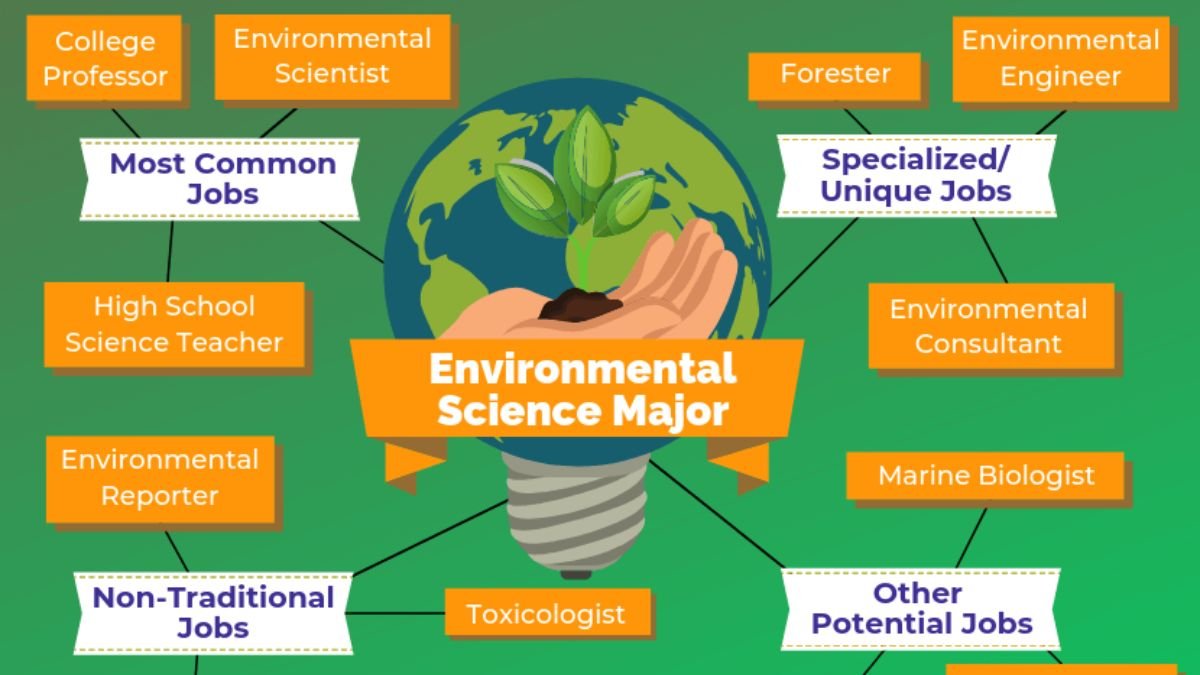
The degree is ideal for those who enjoy scientific research, fieldwork and lab analysis. Much of the coursework revolves around collecting samples, interpreting scientific data and identifying environmental risks. An Environmental Science degree prepares graduates for roles such as environmental scientist, conservation biologist, climate researcher, water and soil analyst or wildlife specialist. It is a science-heavy program designed for people who want to deeply understand environmental problems at their core.
What a Sustainability Degree Brings to the Table
A Sustainability degree takes a broader and more interdisciplinary approach. Instead of focusing primarily on scientific processes, it blends environmental studies with economics, policy, ethics, business and resource management. The core idea behind sustainability is finding balanced solutions that support economic growth, social well-being and environmental protection all at the same time.
Students in sustainability programs learn how to develop strategies for renewable energy adoption, sustainable supply chains, community planning, waste reduction, green business operations and corporate responsibility. The degree prepares graduates to work in government agencies, NGOs, corporations and consulting firms where they can design and manage sustainability initiatives. It is ideal for individuals who want to influence environmental decisions on managerial, social or economic levels rather than conducting scientific research.
Differences in Skills and Learning Style
The difference between Environmental Science and Sustainability becomes more visible when comparing the nature of skills developed. Environmental Science requires strong analytical and technical skills. Students spend more time working in laboratories, using scientific instruments and conducting field research. They learn to understand the chemical structure of pollutants, track biodiversity, measure air and water quality and interpret climate-related data.
On the other hand, a Sustainability degree leans more toward communication, leadership and strategic planning. Students focus on how to implement eco-friendly policies, evaluate environmental impact in communities and businesses, and encourage people and institutions to adopt green practices. Sustainability students often work on case studies, real-world sustainability campaigns and interdisciplinary projects rather than scientific experiments.
Career Paths and Job Opportunities
Both degrees lead to impactful and rewarding careers, but the types of roles can vary significantly. Environmental Science graduates typically enter jobs that require technical expertise. These include working in laboratories, environmental consulting firms, wildlife conservation centers, governmental environmental agencies or research institutions. Their work often involves interpreting scientific data and developing solutions based on environmental research.
Sustainability graduates usually pursue careers that combine policy, management and strategy. Many work as sustainability coordinators, corporate social responsibility managers, energy efficiency planners, environmental policy advisors or renewable energy project developers. These roles involve designing sustainable practices for communities, businesses and governments while ensuring long-term environmental and economic balance.
Which Degree Is the Better Choice?
The answer to which degree is better depends entirely on the individual’s passion, career goals and preferred learning style. Those who love pure science, field research and data interpretation may find Environmental Science more fulfilling. It offers a deep understanding of natural processes and prepares students for hands-on environmental problem solving.
Individuals who want to influence environmental decisions from a social, economic or policy standpoint may discover that a Sustainability degree aligns more closely with their ambitions. This path provides broader career flexibility and opportunities in leadership, consulting and strategic planning.
Conclusion
Environmental Science and Sustainability degrees both carry immense value in today’s world, where environmental challenges demand immediate and thoughtful action. While Environmental Science dives into the scientific backbone of environmental issues, Sustainability bridges the gap between environmental protection, social needs and economic progress. Neither degree is universally better than the other; the right choice depends on the direction you want your career to take. Whether you aim to study ecosystems in detail or design sustainability strategies for global change, both fields offer a meaningful way to contribute to the future of the planet.